High cholesterol — also known as hypercholesterolemia — is one of the most common yet most overlooked health conditions in the world today. Millions of people are walking around with dangerously high LDL cholesterol levels and have no idea. No symptoms. No warning signs. Just a ticking clock.
The encouraging truth is that you don't always need medication to bring those numbers under control. With the right approach, you can lower cholesterol naturally through proven dietary, lifestyle, and wellness strategies. At SanLive Pharmacy, we believe in empowering people with the knowledge they need to take charge of their health — before a health crisis forces the conversation.
Here are 10 science-backed ways to reduce your cholesterol and protect your heart for the long term.
What Is Cholesterol and Why Does It Matter?
Cholesterol is a waxy, fat-like substance produced by your liver and also obtained through food. Your body needs some cholesterol to build cells and make hormones — but too much of the wrong kind is dangerous.
There are two main types to know:
- LDL (Low-Density Lipoprotein) — often called "bad cholesterol." High levels cause plaque to build up in your arteries, increasing your risk of heart attack and stroke.
- HDL (High-Density Lipoprotein) — known as "good cholesterol." It helps carry LDL out of the bloodstream and back to the liver for disposal.
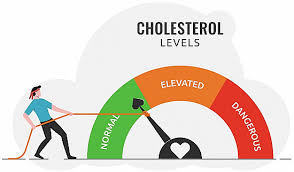
A healthy cholesterol level means keeping LDL low, HDL high, and total cholesterol below 200 mg/dL. When that balance is off, your cardiovascular system pays the price.
10 Natural Ways to Lower Your Cholesterol
1. Eat More Soluble Fiber to Reduce LDL Cholesterol
One of the most effective cholesterol-lowering foods you can add to your diet is soluble fiber. Unlike insoluble fiber, soluble fiber dissolves in water and forms a thick gel in your digestive tract. This gel binds to LDL cholesterol and bile acids, flushing them out of your body before they enter the bloodstream.
Best sources of soluble fiber:
- Oats and oat bran
- Barley
- Beans, lentils, and chickpeas
- Apples, pears, and citrus fruits
- Psyllium husk
- Flaxseeds
Starting your day with a bowl of oatmeal is one of the simplest, most evidence-backed steps you can take. Research shows that eating 5 to 10 grams of soluble fiber daily can reduce LDL cholesterol by up to 5 percent. Small habit, big impact.
2. Switch to Heart-Healthy Unsaturated Fats
The type of fat you eat matters enormously when it comes to managing cholesterol levels. Saturated fats — found in red meat, butter, cheese, and processed foods — raise your LDL cholesterol and increase cardiovascular risk. Trans fats, found in many fried and packaged foods, are even worse and have been linked to heart disease globally.
Replacing these with monounsaturated and polyunsaturated fats is a proven strategy to reduce bad cholesterol naturally.
Heart-healthy fat sources to embrace:
- Extra virgin olive oil
- Avocados
- Almonds, walnuts, and cashews
- Sunflower seeds and sesame seeds
- Fatty fish
The Mediterranean diet — rich in olive oil, nuts, legumes, and fresh produce — has decades of clinical research confirming its ability to lower LDL and protect against heart disease. It's not a trend. It's one of the best-researched dietary patterns in the world.
3. Add Omega-3 Fatty Acids for Lower Triglycerides
Omega-3 fatty acids are among the most powerful natural compounds for heart health. They primarily work by lowering triglycerides — a type of blood fat closely associated with heart disease — and reducing systemic inflammation that damages arterial walls.
Top omega-3 sources:
- Salmon, mackerel, sardines, herring, and tuna
- Walnuts
- Chia seeds and flaxseeds
- Algae-based omega-3 supplements (ideal for vegans)
Aim for at least two servings of fatty fish per week. If that's not realistic for your lifestyle, a high-quality omega-3 supplement is a practical alternative. Visit SanLive Pharmacy to explore trusted omega-3 supplement options recommended by our pharmacists.
4. Exercise Regularly to Raise HDL Cholesterol
Physical activity is one of the most effective tools for raising HDL (good) cholesterol while simultaneously lowering LDL and triglycerides. Exercise stimulates enzymes that help move LDL from your blood vessels to the liver, where it's processed and eliminated.
Best types of exercise for cholesterol:
- Brisk walking (30 minutes, 5 days a week)
- Cycling
- Swimming
- Jogging or running
- Resistance/weight training
- Yoga and aerobic dancing
The American Heart Association recommends at least 150 minutes of moderate-intensity aerobic activity per week. You don't need a gym membership or a personal trainer. A consistent daily walk is enough to produce meaningful, measurable improvements in your cholesterol profile.
5. Lose Weight to Improve Your Cholesterol Profile
Carrying excess body weight — particularly visceral fat around the abdomen — is directly linked to elevated LDL, higher triglycerides, and lower HDL cholesterol. The relationship between obesity and high cholesterol is well established in medical literature.
The encouraging news is that you don't need to lose a dramatic amount of weight to see results. Losing just 5 to 10 percent of your body weight can produce clinically significant improvements in your total cholesterol levels. Combining a fiber-rich diet with regular physical activity remains the most sustainable, evidence-based approach to healthy weight loss and cholesterol management.
6. Quit Smoking to Protect Your Cardiovascular Health
If you smoke, this is the single most impactful change you can make for your heart. Smoking doesn't just damage your lungs — it actively lowers your HDL cholesterol, damages the inner lining of your blood vessels, and accelerates the buildup of cholesterol-rich plaque in your arteries — a condition known as atherosclerosis.
The healing timeline after quitting is remarkable:
- Within 20 minutes: Blood pressure begins to drop
- Within 3 months: Circulation and lung function improve
- Within 1 year: Heart disease risk is cut in half
- Within 15 years: Heart disease risk equals that of a non-smoker
Quitting smoking is a natural cholesterol-protecting strategy with benefits that no supplement can replicate.
7. Limit Sugar and Refined Carbohydrates
Most people focus on fat when they think about cholesterol — but sugar and refined carbohydrates are equally problematic. High intake of added sugars, white bread, sugary drinks, and processed snacks raises triglyceride levels, lowers HDL cholesterol, and promotes insulin resistance — all of which worsen your overall cardiovascular risk profile.
Smart swaps to make today:
- Replace white rice with brown rice or quinoa
- Choose whole grain bread over white bread
- Swap sodas and fruit juices for water, herbal teas, or infused water
- Choose whole fruit over sugary desserts
- Read labels and cut foods with more than 5g of added sugar per serving
Reducing your glycemic load is a powerful, often-overlooked strategy for lowering cholesterol and triglycerides naturally.
8. Manage Stress — Your Cholesterol Feels It Too
Chronic, unmanaged stress is a hidden driver of high cholesterol that rarely gets the attention it deserves. When you're under prolonged stress, your body releases cortisol and adrenaline — hormones that can raise LDL cholesterol, increase blood pressure, and promote inflammatory processes that damage your arteries.
Stress also fuels unhealthy coping habits like emotional eating, smoking, excessive drinking, and physical inactivity — all of which compound the problem.
Effective stress-reduction strategies:
- Daily meditation or mindfulness (even 10 minutes makes a difference)
- Regular physical exercise
- Prayer and spiritual practice
- Journaling
- Spending time in nature
- Adequate social connection and support
- Professional counseling or therapy when needed
Managing your mental health is managing your heart health. The two are inseparable.
9. Prioritize Quality Sleep
Sleep is the most underrated pillar of cardiovascular wellness. Poor sleep duration and quality have been directly linked to higher LDL cholesterol, elevated triglycerides, and increased risk of metabolic syndrome. Adults who consistently sleep fewer than six hours per night show measurably worse cholesterol profiles than those who get seven to nine hours.
Tips for better sleep and better cholesterol:
- Maintain a consistent sleep and wake schedule
- Avoid screens for at least one hour before bed
- Keep your bedroom cool and dark
- Limit caffeine after 2pm
- Avoid heavy meals late at night
Treating sleep as a health priority — not a luxury — is one of the most natural, cost-free interventions available for lowering cholesterol and protecting heart health.
10. Explore Natural Supplements for Cholesterol Support
Several natural supplements have strong clinical evidence supporting their ability to lower cholesterol without medication. While supplements should never replace a healthy diet and lifestyle, they can provide meaningful additional support — especially when used consistently and under professional guidance.
Evidence-backed supplements for cholesterol:
- Plant sterols and stanols — block cholesterol absorption in the gut; shown to lower LDL by 5–15%
- Psyllium husk — a soluble fiber supplement that reduces LDL cholesterol
- Berberine — a plant compound shown in multiple studies to lower LDL and triglycerides
- Garlic extract — has modest cholesterol-lowering and blood pressure-reducing properties
- Red yeast rice — contains naturally occurring compounds similar to statin drugs; use only under medical supervision
- Coenzyme Q10 (CoQ10) — supports heart muscle health, especially in those on statin therapy
- Fish oil (Omega-3 supplements) — proven to lower triglycerides significantly
Always consult a pharmacist or physician before starting any new supplement. Our team at SanLive Pharmacy can help you identify the right options based on your individual health profile, existing medications, and wellness goals.
Cholesterol-Lowering Foods: A Quick Reference Guide
| Food | Benefit |
|---|---|
| Oats | Rich in beta-glucan, lowers LDL |
| Avocado | Raises HDL, lowers LDL |
| Fatty fish | Lowers triglycerides |
| Walnuts | Omega-3s and plant sterols |
| Olive oil | Reduces LDL oxidation |
| Beans & legumes | High soluble fiber |
| Garlic | Modest LDL reduction |
| Green tea | Antioxidants that lower LDL |
| Berries | Anti-inflammatory, reduces oxidative stress |
| Dark chocolate (70%+) | Flavonoids that protect arterial health |
When Should You See a Doctor or Pharmacist?
Natural strategies are powerful — but they work best when combined with professional guidance. You should consult a healthcare provider if:
- Your total cholesterol is above 240 mg/dL
- You have a family history of heart disease or high cholesterol
- You've already had a heart attack or stroke
- You have diabetes, hypertension, or kidney disease
- Lifestyle changes alone haven't moved your numbers after 3 to 6 months
At SanLive Pharmacy, our experienced pharmacists are available to help you understand your cholesterol readings, review your medications, recommend supplements, and build a practical wellness plan tailored to your needs. We're not just a pharmacy — we're your health partner.
The Bottom Line
Lowering cholesterol naturally is not about perfection. It's about progress. Every healthy meal, every extra step, every night of quality sleep, and every moment of stress you consciously release is moving you in the right direction.
You don't have to overhaul everything at once. Start with one or two strategies from this list. Build momentum. Add more over time. The compounding effect of consistent, intentional choices is more powerful than any single intervention.
Your heart is working for you every moment of every day. These choices are how you work for it.
Ready to take the next step in your heart health journey? Visit SanLive Pharmacy for expert pharmacist advice, quality health supplements, and personalised wellness support — all in one place.
Disclaimer: This article is for informational and educational purposes only and does not constitute medical advice. Always consult a qualified healthcare professional or pharmacist before making changes to your diet, exercise routine, or supplement regimen.
Tags: lower cholesterol naturally, reduce LDL cholesterol, raise HDL cholesterol, high cholesterol remedies, cholesterol-lowering foods, natural cholesterol treatment, heart health tips, lower triglycerides naturally, cholesterol diet plan, how to reduce cholesterol without medication, hypercholesterolemia, cardiovascular health, heart disease prevention, healthy eating, omega-3 fatty acids, soluble fiber benefits, Mediterranean diet, plant sterols, berberine for cholesterol, cholesterol supplements
.png)
.png)
.png)